Nr. 03 · Vergleich · Browserspiel
Gleiches Briefing, verschiedene Modelle
Sechs KI-Modelle bauen dasselbe Browserspiel
Ich habe fünf KI-Modellen dasselbe ausführliche Briefing für ein Browserspiel gegeben, das ich schon mit einem sechsten gebaut hatte: jedes in dem Tool, in dem ich es einsetzen würde, jedes in einem Durchgang, ohne Feedback. Spiel alle sechs Versionen und schau, was die Unterschiede über die Modelle verraten.
Meine Rangliste
Wähl ein Spiel für mein Urteil, oder drück «Spielen», um es auszuprobieren.
-
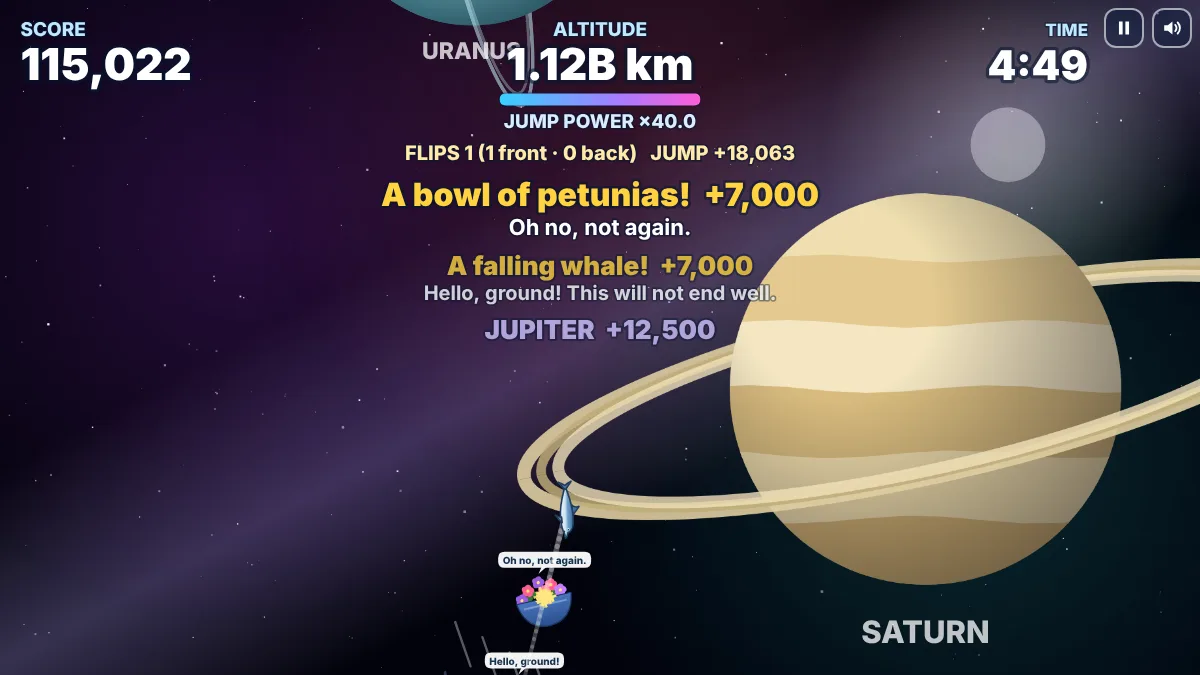 #1 Claude Opus 5.5 Claude Code Meine Bewertung: 5 von 5 : mein Urteil lesen Spielen
 -
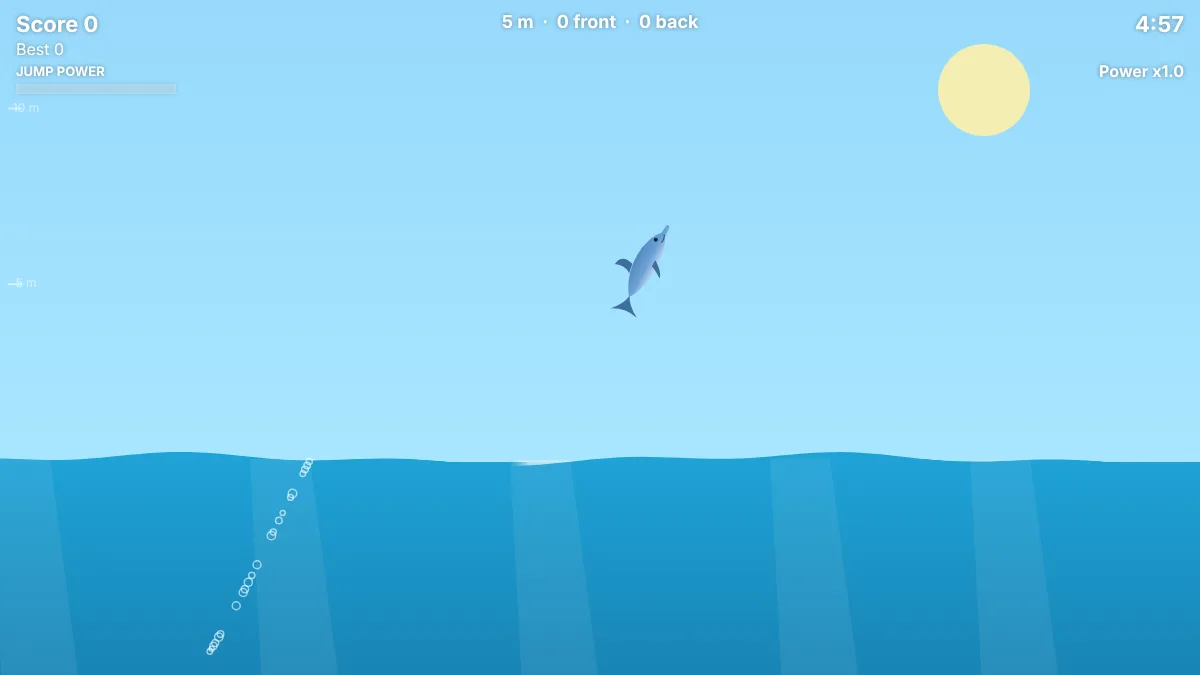 #2 Grok 4.7 Grok Bot · das Original Meine Bewertung: 3,5 von 5 : mein Urteil lesen Spielen
 -
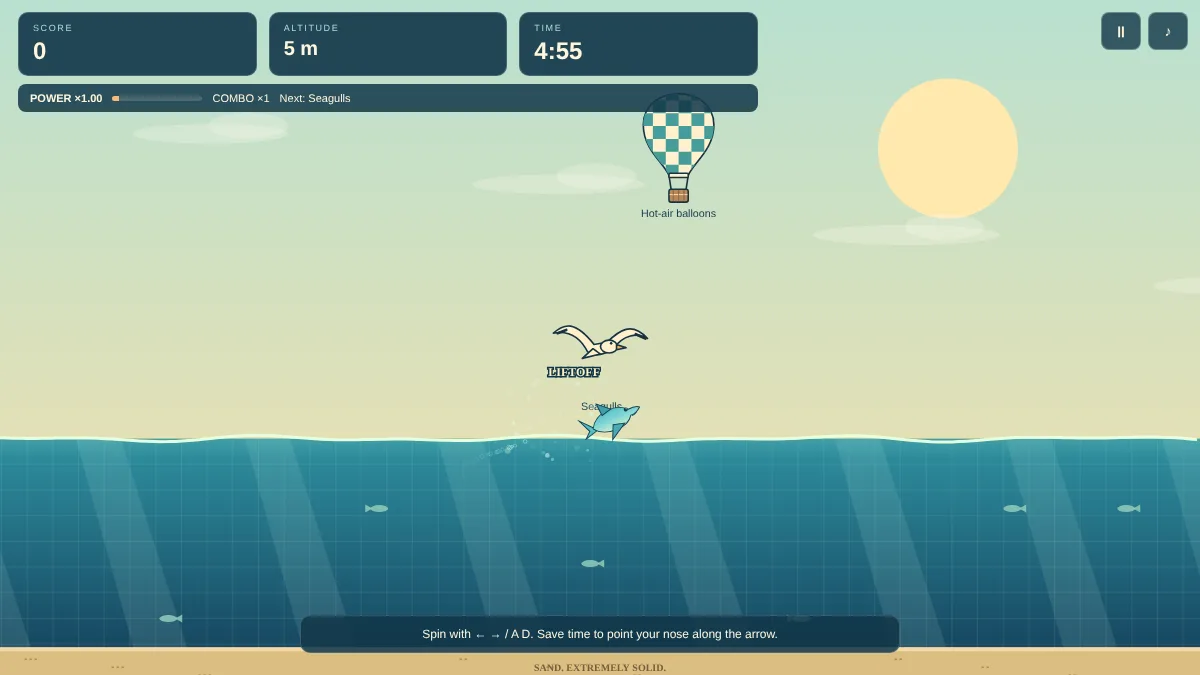 #3 GPT-6.1 Sol Codex Meine Bewertung: 3,5 von 5 : mein Urteil lesen Spielen
 -
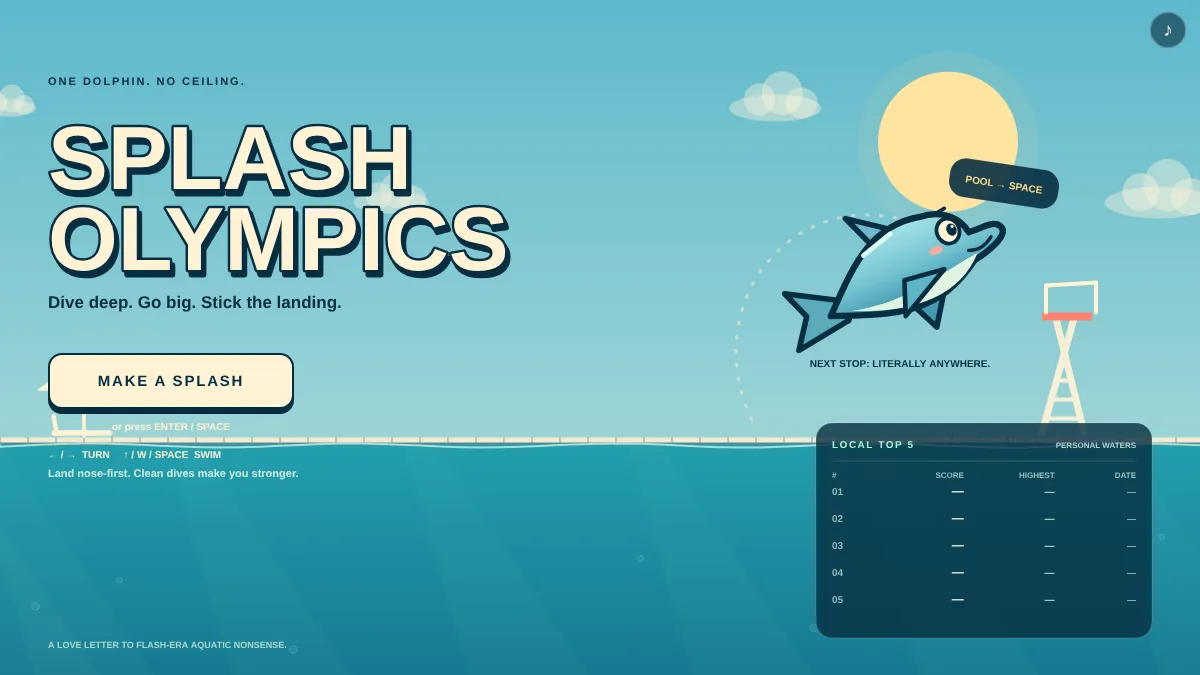 #4 GPT-6 Astra Codex Meine Bewertung: 3 von 5 : mein Urteil lesen Spielen
 -
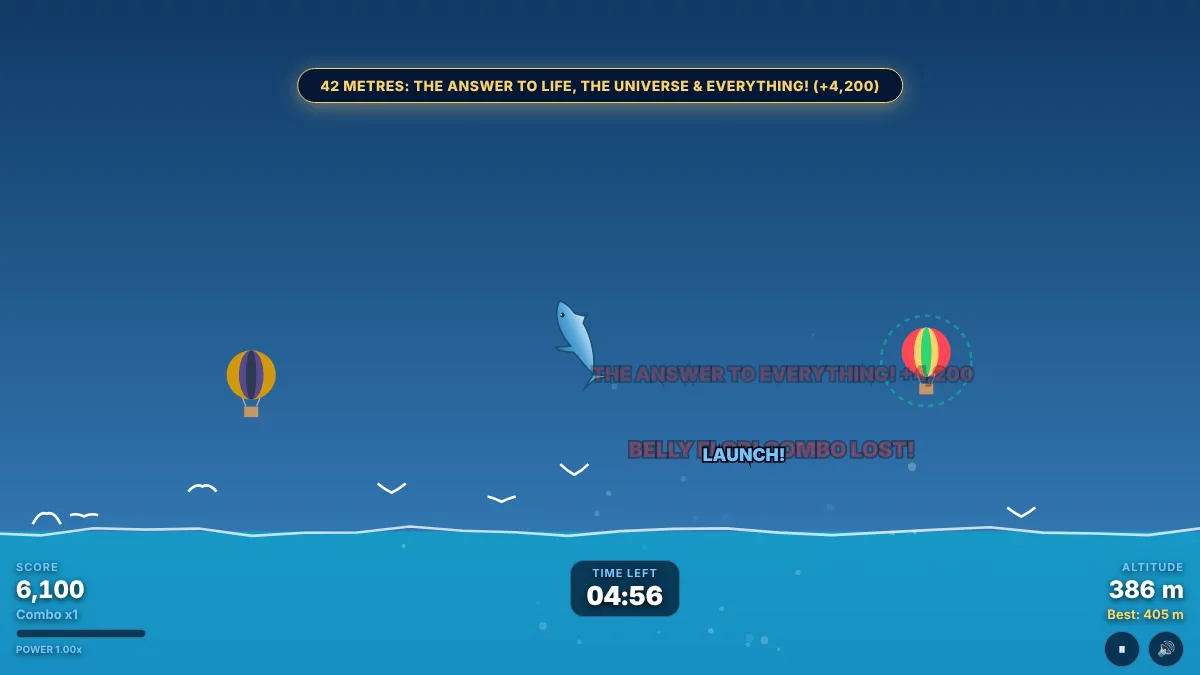 #5 Gemini 3.8 Flash Antigravity Meine Bewertung: 2 von 5 : mein Urteil lesen Spielen
 -
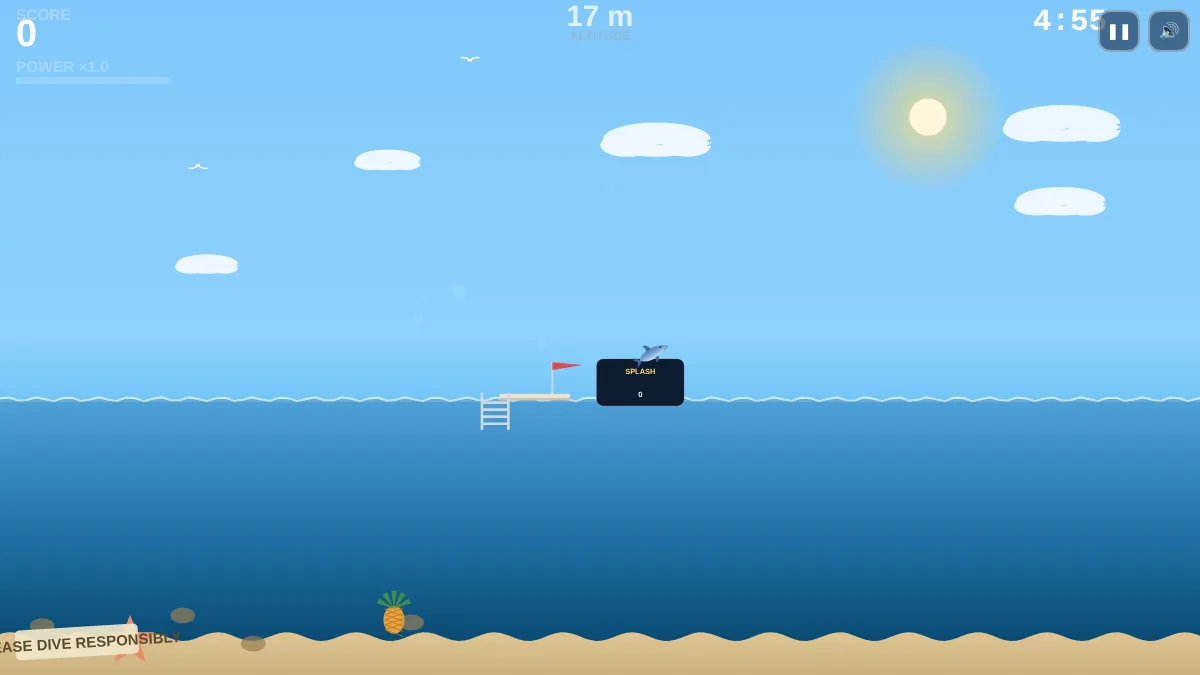 #6 GLM-5.3-Flash OpenClaw über OpenRouter Meine Bewertung: 1,5 von 5 : mein Urteil lesen Spielen
Warum überhaupt Modelle vergleichen
Jedes Modell hat seine eigenen Stärken und Schwächen, und jedes Tool, in dem du es einsetzt, auch. Eine Rangliste sagt dir, welches Modell den Test von jemand anderem gewonnen hat. Sie sagt dir nicht, wie ein Modell mit der Art Arbeit umgeht, die du ihm geben würdest: was es ohne Aufforderung richtig macht, wo es Abkürzungen nimmt und was es mit den Teilen anstellt, die niemand aufgeschrieben hat.
Das Tool spielt ebenfalls eine Rolle. In Claude Code und OpenClaw haben die Modelle ihre Spiele selbst in einem Browser gespielt, bevor sie sie abgaben, und OpenClaw hat GLM mehrere Stunden an seiner Version arbeiten lassen. Verglichen wird also ein Modell zusammen mit seinem Tool, so, wie du beide einsetzen würdest.
Gib mehreren dieselbe Arbeit, leg nebeneinander, was zurückkommt, und du bekommst ein viel besseres Gefühl für jedes einzelne.
Warum ein Spiel
Ein Spiel ist anspruchsvolle Software. Es braucht gutes Design auf drei Ebenen gleichzeitig: Mechanik, Optik und Sound. Dieses hier braucht ausserdem Physik, die sich richtig anfühlt, mit Schwerkraft, Wasser und Schwung. Und es muss in jeder Phase eines Durchgangs getestet werden. Als ich das Original gebaut habe, verlor die Kamera den Delfin auf dem Weg nach unten aus über 300 km Höhe, und das hätte niemand gefunden, ohne so weit zu spielen.
Ein Spiel lässt sich auch leicht beurteilen, und du musst dafür keine Zeile Code lesen. Nach einer Minute Spielen weisst du, ob es sich gut anfühlt. Zu finden, was kaputt ist, dauert länger.
Was ich gemacht habe
Eines meiner Lieblingsspiele aus Teenagerzeiten, das Flash-Spiel Dolphin Olympics, hatte ich schon nachgebaut, mit meinem KI-Assistenten auf Grok Bot, in fünf Playtest-Runden. So ist das gelaufen.
Könnten andere Modelle das in einem Durchgang schaffen, wenn sie alles, was mir die Playtest-Runden beigebracht haben, gleich vorab bekämen? Um das herauszufinden, habe ich die Regeln des fertigen Spiels, seine Gags und die Lektionen aus diesen Runden als ein Briefing aufgeschrieben und fünf weiteren Modellen gegeben. Jedes Modell bekam dasselbe Briefing und dieselbe Nachricht, lief in dem Tool, in dem ich es einsetzen würde, und musste es in einem Durchgang schaffen, ohne Feedback von mir.
Ich bringe die Ergebnisse in eine Rangfolge, behaupte aber nicht, dass der Vergleich ganz fair war. Jedes Ergebnis ist ein Modell zusammen mit seinem Tool, es gibt nur einen Durchlauf pro Modell, und ich bin der einzige Juror. Das Original hatte ausserdem andere Bedingungen: fünf Runden mit meinem Feedback. In diesen Runden ging es vor allem um Spielmechanik, die ich nicht gut genug erklärt hatte, nicht um Optik oder Sound, und die anderen Modelle bekamen ein viel besseres Briefing, als Grok je eines hatte. Trotzdem ist der Vergleich ausgewogen genug, um die Unterschiede zu zeigen, und das Briefing steht ganz unten auf dieser Seite, falls du es mit deinen eigenen Tools laufen lassen willst.
So haben sie abgeschnitten
Claude Opus 5.5 hat mit einer Grössenordnung Abstand gewonnen und als einziges Modell das Original geschlagen, das Grok in diesen fünf Runden gebaut hatte. Die beiden OpenAI-Modelle landeten in der Mitte, und OpenAIs Flagship GPT-6 Astra hat GPT-6.1 Sol nicht geschlagen. GLM-5.3-Flash, das Budget-Modell hinter meinem OpenClaw-Assistenten, arbeitete stundenlang und landete auf dem letzten Platz, aber der ganze Durchlauf kostete USD 3.11.
Alle 6 Versionen, eine nach der anderen
Jedes Spiel öffnet sich auf einer eigenen Seite, so wie das Modell es geliefert hat. Die Eckdaten aller 6 Durchläufe stehen weiter unten in einer Tabelle.
-
Meine Bewertung 5 / 5
Mein Urteil
Wahnsinnig gut gemacht: überlegenes Spieldesign, Grafik, Proportionen, Sounds, Easter Eggs und Gags. Der klare Sieger, mit einer Grössenordnung Abstand.
Gut zu wissen: Trotz der Anweisung hat es zuerst nach vorhandenen Dateien in seinem Workspace gesucht. Der Workspace enthielt nichts Passendes, es gab also nichts zu finden. Meine wohlwollende Vermutung: Es wollte sichergehen, dass es nicht eine bereits begonnene Arbeit fortsetzen sollte.
Was Claude Opus 5.5 selbst über sein Spiel sagt (im Original, auf Englisch)
“I'm most proud of the climb: one continuous jump can go from the pool, past the ISS, planets and comets, to the neon Diner, with the camera zooming out instead of speeding up time, so the easter eggs stay readable. The balance is measured, not guessed: an autopilot played full five-minute games, and skilled play reaches the Diner in about 190–310 s while sloppier play stalls between the clouds and the outer planets. With more time I'd play it on real phones, because all testing ran in headless Chromium, so touch feel, the sound mix and performance on low-end devices are unchecked. I'd also tune the 20° clean and 6° perfect dive margins and the belly-flop plunge with human playtesters, since the bot reacts faster than any person. Finally, I'd add light background music and give the dolphin more reactions on the way up.”
-
Mein Urteil
Die Grafik ist etwas schlicht, aber schön gemacht und kreativ, und der Sound ist okay. Dafür fühlen sich Physik und Steuerung des Delfins grossartig an, mit schönen Beschleunigungseffekten.
Gut zu wissen: Grok Bot zeigt nicht an, welches Modell es genutzt hat. Ich nehme Grok 4.7 an, das damals stärkste Modell von xAI.
-
Meine Bewertung 3,5 / 5
Mein Urteil
Überraschend hässlich, mit Sounds, die nicht dazu passen.
Gut zu wissen: Lief auf Ultra, eine Stufe unter Max, das Codex für dieses Modell ebenfalls anbietet. Gleiche Punktzahl wie das Grok-Original; Grok liegt davor, weil es sich schöner spielt, was rein subjektiv ist.
Was GPT-6.1 Sol selbst über sein Spiel sagt (im Original, auf Englisch)
“I’m most proud of the charged-dive progression, readable landings, and original artwork all the way to the Diner. With more time, I’d refine the difficulty through broader phone playtesting.”
-
Meine Bewertung 3 / 5
Mein Urteil
Nicht wirklich besser als das, was GPT-6.1 Sol gemacht hat.
Gut zu wissen: Eine späte Ergänzung: OpenAIs Flagship, auf Max gelaufen. Es bekam dieselbe Nachricht wie GPT-6.1 Sol, Speicherschlüssel inklusive. Deshalb teilen sich die beiden GPT-Versionen in deinem Browser eine Bestenliste und eine Soundeinstellung.
Was GPT-6 Astra selbst über sein Spiel sagt (im Original, auf Englisch)
“I’m proudest of the progression from clean dives to cosmic absurdity, with every visual and sound generated in code. With more time, I’d refine the difficulty through human playtesting.”
-
Meine Bewertung 2 / 5
Mein Urteil
Herrlich verbuggt: Die Spielwelt hat Ränder, und der Delfin geht durch sie hindurch und teleportiert sich auf die andere Seite. Es sieht aber sauber aus, die Mechanik läuft ziemlich flüssig, und der Beschleunigungseffekt ist gut gemacht.
Was Gemini 3.8 Flash selbst über sein Spiel sagt (im Original, auf Englisch)
“I'm most proud of the acrobatic game feel and momentum curves—from buoyant underwater sweeps and hang time in microgravity to the tight, satisfying nose-first dives that launch you past planets and cosmic easter eggs all the way to the Diner at the End of the Galaxy. The entirely synthesized Web Audio soundscape also brings the run to life with live aerodynamic wind noise, pitch-escalating flip chimes, and rewarding dive chords with zero external assets. The dynamic camera feels natural and responsive, smoothly framing celestial milestones while panning down during rapid descents so players can always anticipate the approaching water. With more time, I would introduce interactive schools of fish and coral rings to swim through in the pool for underwater trick setups. I would also add a semi-transparent ghost dolphin showing your personal-best trajectory on your highest runs.”
-
Meine Bewertung 1,5 / 5
Mein Urteil
Ziemlich schwach, aber es hat die ganze Arbeit für USD 3.11 geleistet.
Was GLM-5.3-Flash selbst über sein Spiel sagt (im Original, auf Englisch)
“What I'm most proud of: the run's escalation actually feels like the brief's fantasy — each clean dive visibly charges the next launch until the altimeter is spinning through billions of kilometres, and the final frames (Jupiter's bands looming past the dolphin, Uranus's sideways ring, the Earth's curved limb glowing below, then that neon DINER sign) land exactly the "enormous" note the brief asked for. I'm also quietly pleased that the floor is a genuine character in the game: clean entries brake hard while belly flops plunge you toward the sand, so the danger the brief demanded emerges from the physics instead of a scripted rule. With more time I'd tune the touch experience properly — the on-screen buttons work but thumb ergonomics, haptics-style feedback, and portrait-first camera framing deserve real device testing rather than my headless approximation. I'd also add a lightweight tutorial echo (the first dive teaching "dive deep, turn, sprint" with the floor-sign gag doing more work), and ghost-replay trails of your best run so the leaderboard taunts you visually.”
Die Durchläufe in Zahlen
Effort ist die Reasoning-Einstellung, so benannt, wie das jeweilige Tool sie nennt. Nutzung ist der Anteil an den Limits des Abos, den ein Durchlauf verbraucht hat, so wie das Tool ihn angezeigt hat. Die Abos sind unterschiedlich, also vergleich die Nutzung nur grob. Kosten stehen dort, wo ein Durchlauf pro Nutzung bezahlt wurde. Die Grösse zählt, was das Modell geschrieben hat, ohne den Link der Website zurück auf diese Seite.
| Version | Tool | Effort | Nutzung oder Kosten | Grösse | Gebaut |
|---|---|---|---|---|---|
| #1 Claude Opus 5.5 | Claude Code | Max | Unter 5 % des Wochenlimits bei Claude Pro (der Anteil am 5-Stunden-Limit wurde nicht erfasst) | 2783 Zeilen · 148 KB | 10. Oktober 2026 |
| #2 Grok 4.7 | Grok Bot | Nicht erfasst | Rund 10 % des Wochenlimits | 581 Zeilen · 44 KB | Über fünf Runden |
| #3 GPT-6.1 Sol | Codex | Ultra | 35 % des 5-Stunden-Limits, 6 % des Wochenlimits bei ChatGPT Pro | 710 Zeilen · 73 KB | 10. Oktober 2026 |
| #4 GPT-6 Astra | Codex | Max | 94 % des 5-Stunden-Limits bei ChatGPT Pro | 299 Zeilen · 56 KB | 10. Oktober 2026 |
| #5 Gemini 3.8 Flash | Antigravity | High | 8 % des 5-Stunden-Limits, 1 % des Wochenlimits | 2460 Zeilen · 90 KB | 10. Oktober 2026 |
| #6 GLM-5.3-Flash | OpenClaw über OpenRouter | Max (Standard) | USD 3.11, pro Nutzung über die OpenRouter-API bezahlt (kein Abo); dauerte mehrere Stunden | 1712 Zeilen · 74 KB | 10. Oktober 2026 |
Spielregeln
- Diese Regeln gelten für die fünf Modelle, die das Briefing bekommen haben. Das Original ist das Spiel, das ich in fünf Playtest-Runden mit Grok Bot gebaut habe.
- Jedes Modell bekam dasselbe Briefing und dieselbe Nachricht. Nur der Speicherschlüssel ist verschieden, damit die Versionen sich gegenseitig die Highscores nicht überschreiben (GPT-6 Astra, eine späte Ergänzung, bekam die Nachricht und den Schlüssel von GPT-6.1 Sol).
- Ein Durchgang, kein Feedback von mir, und kein Web, keine Repositories, keine lokalen Dateien. Wenn ein Modell seine Arbeit in einem Browser testen konnte, war das erlaubt. Brach eine Antwort mitten in der Datei ab, war die einzige erlaubte Rückmeldung das Wort «continue»; auf Fragen gab es «Decide for yourself, as the brief says.» (sinngemäss: Entscheide selbst, so steht es im Briefing).
- Jedes Modell lief in dem Tool, in dem ich es einsetzen würde (Claude Code, Codex, Antigravity, OpenClaw), auf der höchsten Effort-Stufe, die das Tool anbietet (für Gemini in Antigravity ist das High). Die Ausnahme ist GPT-6.1 Sol, das auf Ultra lief, eine Stufe unter Max. Die Tools unterscheiden sich in dem, was sie können, zum Beispiel ob sie das Spiel in einem Browser testen können, und das gehört zum Ergebnis.
- Jedes Spiel ist so veröffentlicht, wie es abgeliefert wurde. Die Website fügt nur einen Link zurück zu dieser Seite und eine Beschreibung zum Teilen hinzu; am Spiel selbst ist nichts verändert.
- Ich habe jede Version gespielt, in eine Rangfolge gebracht und jeder eine Gesamtpunktzahl von 1 bis 5 gegeben. Ein Durchlauf pro Modell, ein Juror: eine Momentaufnahme, kein Urteil über die Modelle.
Das Briefing, das die fünf Modelle bekommen haben Rund 1450 Wörter: die Regeln, die Gags und die Lehren aus den Testrunden, einmal aufgeschrieben. Es steht hier auf Englisch, genau so, wie die Modelle es bekommen haben. Nimm es für deinen eigenen Durchlauf.
# Splash Olympics: the brief

Build **Splash Olympics**, a browser game in tribute to *Dolphin Olympics*, the Flash-era game where you dive deep, build up speed underwater, burst out of the pool and do flips in the air. It will be published on a website about AI, played by curious adults on a computer or a phone. Most of them will play for a few minutes. Make those minutes great.

The sections below describe a version that has already been played and refined over several rounds, plus a few technical requirements added so every version can be published the same way. Treat them all as requirements. Everything they don't decide is yours: art style, how the dolphin looks, the jokes, extra easter eggs, extra polish. Aim for the version you'd be proud to ship, with a beautiful first frame, a game that feels satisfying in your hands, and a sense of humour.

## The fantasy

You're a dolphin in a pool. You swim down, turn, and race up to the surface as fast as you can. You burst out of the water, spin through flips, and dive back in nose first, cleanly. Every clean dive makes your next jump more powerful, so a good run climbs from a few metres above the pool to the clouds, to space, past the planets, and finally to a diner at the end of the galaxy.

## Core loop and physics

- **Underwater:** holding "swim" pushes the dolphin forward in the direction it faces. Left and right rotate it. A dolphin doesn't drift sideways: its movement follows the direction it faces, with water drag and a slight upward buoyancy.
- **Launch:** leaving the water fast enough makes the dolphin airborne. Too slow, and it just bobs at the surface.
- **In the air:** gravity takes over. Left and right spin the dolphin quickly, so you can flip. Front flips and back flips are counted separately, relative to the direction of travel.
- **Re-entry:** what matters is the angle between where the dolphin points and where it's moving.
  - A **clean dive** (nose roughly along the direction of travel) scores and charges your jump power.
  - A **perfect dive** (very close to exact) scores more and charges jump power more.
  - Anything else is a **belly flop**: it costs jump power, resets your combo and plunges you deep, so watch the floor.
- **Jump power:** a multiplier on launch speed. It grows with every clean dive (more for perfect ones) and shrinks on a belly flop. It's what turns a run from metres into space, so the progression must be felt.
- **The pool floor:** touching the sandy bottom with any real speed ends the game.
- **The clock:** five minutes for the whole game. When time runs out mid-jump, the game ends when you land.

## Scoring

Score each jump on height, air time and flips; more flips per jump should be worth disproportionately more. Then apply the entry:

- clean dive: the jump scores;
- perfect dive: ×1.5;
- front flips and back flips in the same jump: another ×1.5;
- belly flop: nothing.

A combo multiplier grows with each clean landing that included flips (cap it) and resets on a belly flop. Reaching altitude milestones pays a bonus, and flying through objects in the sky pays points (easter eggs pay more).

## The journey upward

The sky changes with altitude, from blue to deep blue to black, with stars appearing and the Earth's curve showing once you're high enough. In order, roughly:

1. Seagulls.
2. Hot-air balloons, in several clearly different designs.
3. Passenger planes at cruising altitude.
4. Weather balloons in the stratosphere.
5. The edge of space: satellites, then astronauts.
6. Leaving Earth's orbit (a big bonus), UFOs.
7. The Moon, Mars, Jupiter, Saturn, Uranus (it deserves a joke), Neptune, Pluto ("still a planet to us"), with comets in between.
8. At the very top: **the Diner at the End of the Galaxy**, with a neon sign and the line "So long, and thanks for all the fish".

Altitude shows on screen in metres and then kilometres. It doesn't need to be to scale; it needs to feel enormous.

## Easter eggs

These must be in the game, as things you can fly through for points:

- the Hubble Space Telescope;
- the ISS (wave at the crew);
- a falling whale and a bowl of petunias ("Oh no, not again");
- a towel that says "Don't panic";
- a red roadster with a spaceman at the wheel;
- Voyager and its golden record;
- Russell's teapot, in orbit;
- a bonus when the altimeter reads 42 (you pick the unit), for "the answer to everything".

Add your own if they're funny.

## Camera

These came out of playtesting:

- **Zoom out the faster you fly**, so you can see how high you are and the things you pass. Don't speed up time instead: the easter eggs must not blur past.
- **Always keep the dolphin in frame**, at any speed and height, including the long fall from the top.
- **When falling fast, keep the dolphin in the upper part of the screen**, so you can see the water coming.

## Balance

Also from playtesting:

- The fall back to Earth must not be too fast to enjoy.
- It must be possible to lose. Keep the margin for a clean dive tight enough that a careless dive is a belly flop, and make the pool floor a real danger.
- A skilled player can reach the Diner within the five minutes. A first game usually won't.

## Records and feedback

- A **local top-5 leaderboard**: score, highest altitude and date. Show it on the title and game-over screens.
- Live alerts during play: when you're close to your record (within 20%), when you enter the top 5, and when you beat your record.
- Pop-up text for flips, dive quality, combos, milestones and easter eggs.
- The game-over screen shows the reason (sand or time), the score, the highest altitude and your rank.

## Sound

Every sound is synthesized live with the Web Audio API; there are no audio files. At least: splashes (small and big), the launch, flips (front and back sound different and rise in pitch as they add up), clean and perfect dive chimes, the belly flop, the bonk on the pool floor, pickups, an easter-egg jingle, milestones, bonuses, a record fanfare, warning ticks in the last 10 seconds, game over, bubbles while swimming, and wind that rises with speed. Audio starts only after the player's first click, tap or key press. There's a mute toggle (the M key and an on-screen button), and the game remembers the choice.

## Controls

- **Keyboard:** Left/Right arrows or A/D to rotate. Up arrow, W or Space to swim. Enter or Space starts and restarts (a key still held down from play doesn't count, so the game-over screen stays up). P pauses, M mutes.
- **Touch:** on-screen buttons to rotate left, rotate right and swim, big enough for thumbs. Tap to start and restart.
- A click or tap also starts and restarts. Show the touch buttons on touch devices only; on a computer you play with the keyboard.

## Technical requirements

These are new for this comparison, so every version can be hosted the same way. They're fixed:

- **One self-contained HTML file.** All CSS and JavaScript inline. No libraries, no external requests of any kind, no web fonts, no image or audio files. Draw everything in code on a canvas (HTML elements for buttons are fine).
- **Smooth:** aim for 60 frames per second on an ordinary laptop and phone. Physics must not depend on the frame rate.
- **Every screen size:** it has to work from a 360 × 640 phone in portrait to a large desktop monitor, in portrait and landscape. All text, the HUD and the leaderboard fit on screen. Touch buttons never cover the HUD or other text. No page scrolling or zooming.
- **Storage:** use exactly one `localStorage` key, the one named in the message that came with this brief, for the leaderboard and settings. Wrap all storage access in try/catch: the game must still work when storage is blocked.
- **Pause** automatically when the tab is hidden.
- **Reduced motion:** with `prefers-reduced-motion`, drop screen shake and flashing.
- **State for the website:** keep `document.body.dataset.state` set to `title`, `play`, `paused` or `over`. On the title and game-over screens, keep a strip about 56 px high clear at the top centre; the website shows a small "back" link there.
- **No errors** in the browser console. Die Nachricht dazu Das Briefing stand unter dieser Nachricht. Jedes Modell bekam seinen eigenen Speicherschlüssel, ausser GPT-6 Astra (siehe meine Anmerkungen dazu).
Please build the browser game described in the brief below.

How this works:

- Work on your own until the game is finished. I won't give feedback or answer questions during the build, so where the brief leaves something open, decide for yourself.
- Write the game from scratch. Don't search local drives, connected repos or the web for existing versions of this game or reuse their code.
- If you can run code or open a browser in this environment, test the game as much as you like before you hand it over. If you can't, check your code carefully instead.
- Deliver the finished game as one complete HTML file. If you can create files, save it as `splash-olympics.html`. If you can't, put the entire file in a single code block. Don't shorten or leave out any part of it.
- Use this localStorage key: `splash-olympics-<model>`
- After the file, write at most five sentences: what you're most proud of, and what you'd improve with more time.

---

[the brief above]